
















































Tata Motors’ largest global acquisition since its legendary purchase of Jaguar Land Rover (JLR) in 2008.

This is a massive development, and your analysis is spot on. This acquisition is a defining moment for the Indian automotive industry, representing Tata Motors’ largest global acquisition since its legendary purchase of Jaguar Land Rover (JLR) in 2008.
The scale and strategic depth of this nearly ₹38,000 crore (€3.8 billion) all-cash deal completely reshapes the landscape for Tata’s commercial vehicle (CV) business.
1. Scaling into the Global Elite
Before this acquisition, Tata Motors derived nearly 90% of its commercial vehicle revenue from the domestic Indian market. By integrating Iveco Group—minus its defence business, which is being separated—Tata transforms overnight into a powerhouse.
- Volume & Revenue: The combined entity is projected to hit annual sales exceeding 540,000 units with revenues scaling to roughly €22 billion (over ₹2.2 lakh crore).
- Global Footprint: This single move shifts Tata’s CV revenue split to a truly global standard: roughly 50% from Europe, 35% from India, and 15% from the Americas and other emerging markets.
- The Leaderboard: Tata Group Chairman N Chandrasekaran highlighted that this deal will securely position Tata Motors among the top four commercial vehicle manufacturers globally for vehicles above 6 tonnes.
2. The Tech & Green Transition Boost
The true value of Iveco isn’t just its market share in Europe; it’s the technology. Iveco is a leader in alternative fuels and zero-emission transport.
- Zero-Emission Platforms: Iveco’s advanced battery-electric vehicle (BEV) drivetrains, hydrogen fuel cell research, and clean-tech buses will drop straight into Tata’s R&D ecosystem.
- Powertrain Integration: Acquiring FPT Industrial (Iveco’s powertrain brand) gives Tata an immediate edge in manufacturing sophisticated, high-efficiency engines and alternative fuel systems globally.
3. A Multi-Brand Strategy
With this closing, Tata Motors will command an impressive multi-brand international CV portfolio tailored to different tiers of the global market:
- Tata Motors (Dominant in India, SAARC, and Africa)
- Tata Daewoo (Strong premium presence in South Korea and select export markets)
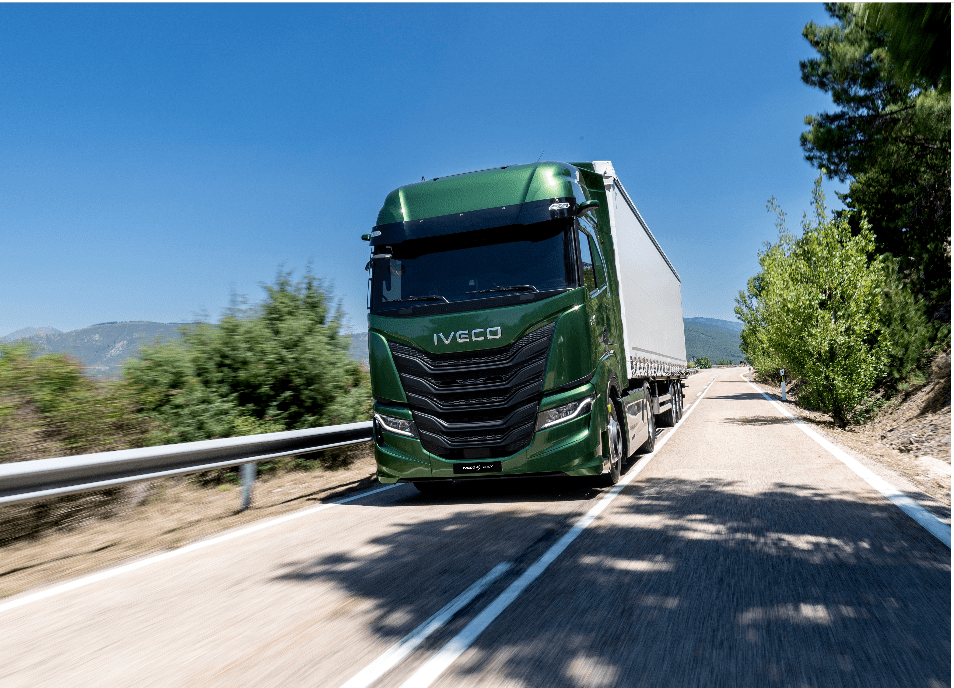
- Iveco (Established premium foothold across Europe and Latin America)
4. Keeping Ratan Tata’s Vision Alive
You rightly pointed out the alignment with Ratan Tata’s vision. When Ratan Tata led the acquisitions of Tetley, Corus, and JLR, critics were often skeptical of an Indian company managing legacy Western brands. This Iveco deal follows that exact blueprint—buying a proud European pioneer with global reach, keeping its headquarters intact (in Turin, Italy), ensuring operational continuity with the workforce, and leveraging Indian cost efficiencies to scale it globally.
It is a beautiful full-circle moment for Tata’s automotive ecosystem. After successfully demerging its commercial and passenger vehicle businesses, the CV division now stands fully on its own two feet as a global champion.
