





















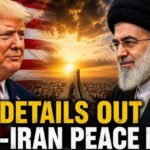

















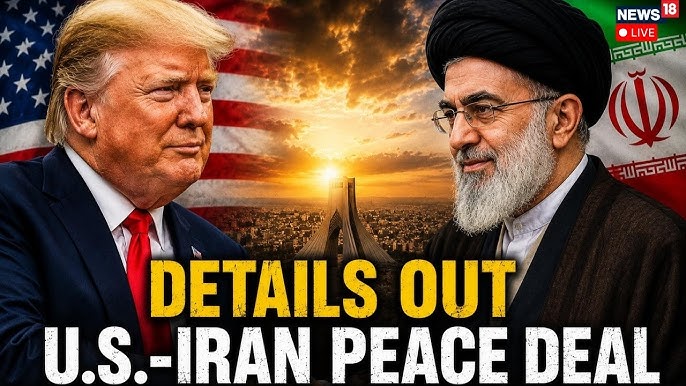

In a dramatic diplomatic breakthrough aimed at halting a widening conflict in the Middle East, U.S. President Donald Trump and Iranian President have finalized a memorandum of understanding to end the West Asia war.
The deal, signed Wednesday evening during a high-stakes dinner between Mr. Trump and French President Emmanuel Macron at the Palace of Versailles, swaps major economic relief for a reduction in Iran’s nuclear activities. Iranian Foreign Ministry spokesman Esmaeil Baqaei confirmed the state-level sign-off via the state news agency IRNA, noting the document “was finalized with the signatures of the Presidents.”
Key Terms of the Agreement
According to the text released by U.S. officials, the temporary agreement outlines several immediate steps intended to freeze the conflict and pave the way for long-term negotiations:
- Sanctions Relief: Washington has committed to an immediate waiver of the oil sanctions currently crippling the Iranian economy.
- Nuclear Concessions: Iran will dilute its enriched uranium stocks, likely via on-site “down-blending” monitored by the International Atomic Energy Agency (IAEA).
- Reconstruction Fund: Upon a final agreement regarding Iran’s nuclear program, the U.S. will facilitate a $300 billion regional reconstruction fund, though U.S. officials emphasize Washington will not contribute financially.
- Maritime Transit: The deal outlines a two-month negotiating window, with the reopening of the vital Strait of Hormuz acting as the critical first step.
A Global Flashpoint
The agreement seeks to wind down a devastating regional war that erupted on February 28 following joint operations by the United States and Israel. The conflict rapidly escalated when Iran launched missile and drone salvos across the region, effectively shutting down the Strait of Hormuz—a crucial chokepoint for the global economy.
While the deal looks to reopen shipping lanes and unlock banking and insurance access for tankers, its domestic and international reception has been deeply polarized.
“Iran’s nuclear ambitions were not curbed, and they have learned that threatening the Strait of Hormuz works… This is the worst foreign policy blunder in decades.” — U.S. Senator Bill Cassidy (R-LA)
In Tehran, officials framed the deal as a strategic triumph. Mohammad Bagher Ghalibaf, Iran’s parliament speaker, stated on state television that “people will see it and judge,” while Hezbollah leader Naim Qassem called the truce a “great victory.” Qassem expressed gratitude to Tehran for ensuring the ceasefire extended to Lebanon, which entered the war on March 2.
High Stakes and Fragile Truce
Despite the diplomatic progress, the situation on the ground remains volatile. While violence has broadly declined on the Lebanese front, Israeli air strikes in southern Lebanon killed at least five people on Wednesday. The Israeli military also reported five soldiers wounded by an explosive drone impact and confirmed the interception of several rockets targeting its forces.
The White House faces intense scrutiny at home over the human and material cost of the war, which claimed the lives of 13 U.S. service members and heavily depleted American ammunition stockpiles.
Acknowledging the fragility of the pact, President Trump noted earlier on Wednesday that he remains prepared to military intervene if Tehran violates the terms. Observers emphasize that the deal is a stopgap measure, giving negotiators a brief window to tackle the far more complex issue of permanent oversight on Iran’s nuclear ambitions.
.
