















































Hindustani Bahu THE DIGITAL MAFIA : How Algorithms and Law Enforcement Clash Over Online Toxic Content.

MUMBAI — The alarming rise of internet personalities utilizing raw aggression, continuous abuse, and targeted threats on social media has triggered a nationwide debate: Are platform algorithms actively nurturing a new breed of digital mafias, and is our legal system equipped to handle them?
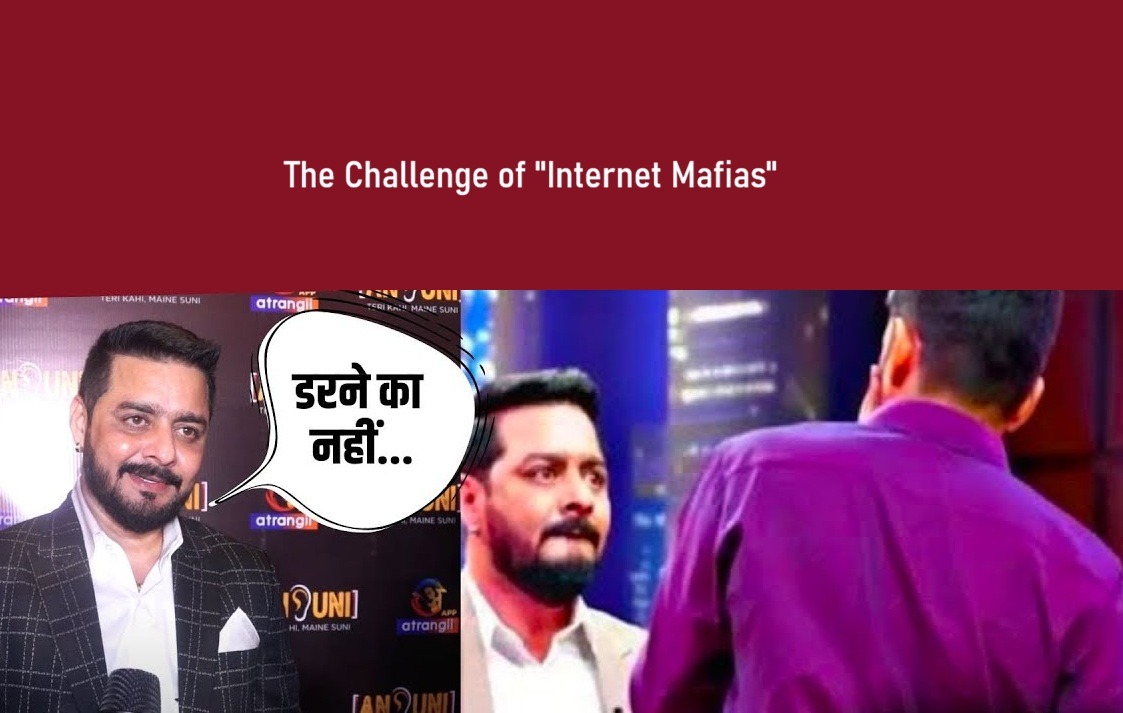
At the center of this firestorm is controversial internet figure Vikas Fhatak, widely known by his online alias “Hindustani Bhau.” For years, his hyper-aggressive, expletive-laden videos have sparked immense outrage. Yet, despite severe public pushback and labeled a “threat to society” by critics, his profiles continue to gather multi-million views.
To understand why this toxicity continues to thrive, we must examine the intersection of algorithmic reward systems, public fascination, and the limits of real-world law enforcement.
1. The Fuel: The Attention Economy and ‘Rage-Baiting’
Social media algorithms operate entirely on a metric-driven system designed to retain human attention. Tragically, anger and shock value drive the highest user engagement.
- The Engagement Loop: A creator utilizing aggressive behavior triggers massive reactions—both from loyal supporters and outraged critics. When thousands of people comment to argue or share a video out of disgust, the platform’s AI flags the content as “viral” and pushes it to a broader audience.
- The “Trainwreck” Effect: A massive percentage of viewers do not follow these creators out of agreement. Instead, they watch out of sheer curiosity or entertainment at the absurdity of the behavior. To an automated algorithm, however, eye-balls are currency—regardless of whether the viewer is watching in admiration or horror.
2. The Facts: Is Law Enforcement Really Inactive?
A common public grievance is the perception that local police departments and the government stand by silently while these digital figures threaten individuals with impunity. However, a look at recent legal history proves that law enforcement has drawn hard lines when digital threats bleed into public disorder:
| Year | Action Taken by Authorities | Reason for Legal Crackdown |
| 2022 | Arrested & Remanded to Judicial Custody | Dharavi Police booked him under multiple IPC sections for unlawful assembly and rioting after he allegedly instigated thousands of students to violently protest offline exams. |
| 2021 | Arrested by Mumbai Police | Charged for violating Section 144 COVID-19 lockdown protocols after using a fraudulent ambulance ruse to stage a public protest. |
| 2025 | FIR Complaints Registered | Local FIRs filed against him following targeted public call-outs and aggressive threats leveled against other public figures and celebrities on digital mediums. |
Furthermore, global tech platforms have repeatedly targeted his presence, executing multiple temporary and permanent bans on his primary Instagram and Facebook handles following coordinated public reporting for violating hate speech guidelines.
3. The Legal Hurdle: Free Speech vs. Criminal Intimidation
If these individuals are routinely arrested, why do they keep returning to the digital space to behave like modern-day mafias? Legal experts point to foundational systemic challenges:
“The Indian legal system is inherently designed around the absolute right to personal liberty. Unless an offense involves severe physical violence, national security, or non-bailable criminal offenses, any accused individual is entitled to legal bail.”
Once a creator secures bail, the current legal ecosystem does not easily allow police to block them from the internet entirely without a complex, prolonged cyber-security order from the central government. In the meantime, controversial creators often exploit their own arrests as “badges of honor,” utilizing backup pages and fan-channels to double down on their aggressive persona for financial gain.
Conclusion: The Ultimate Solution
Law enforcement can only react after a law is broken or a formal criminal complaint (FIR) is registered by an aggrieved citizen. Ultimately, the power to strip down an “internet mafia” lies with the user base. By actively reporting toxic channels directly to platform moderation teams and completely starving them of views, the public can crash the very algorithms that made these figures famous in the first place.
For an in-depth breakdown of his previous legal run-ins and why his digital instigations caused a massive security situation, you can watch this report: Vikas Pathak Hindustani Bhau Arrest and Profile Explained. This video from BBC News Hindi provides a comprehensive journalistic overview of who he is and the specific criminal charges he faced for creating public disorder.
