




































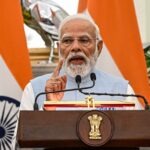




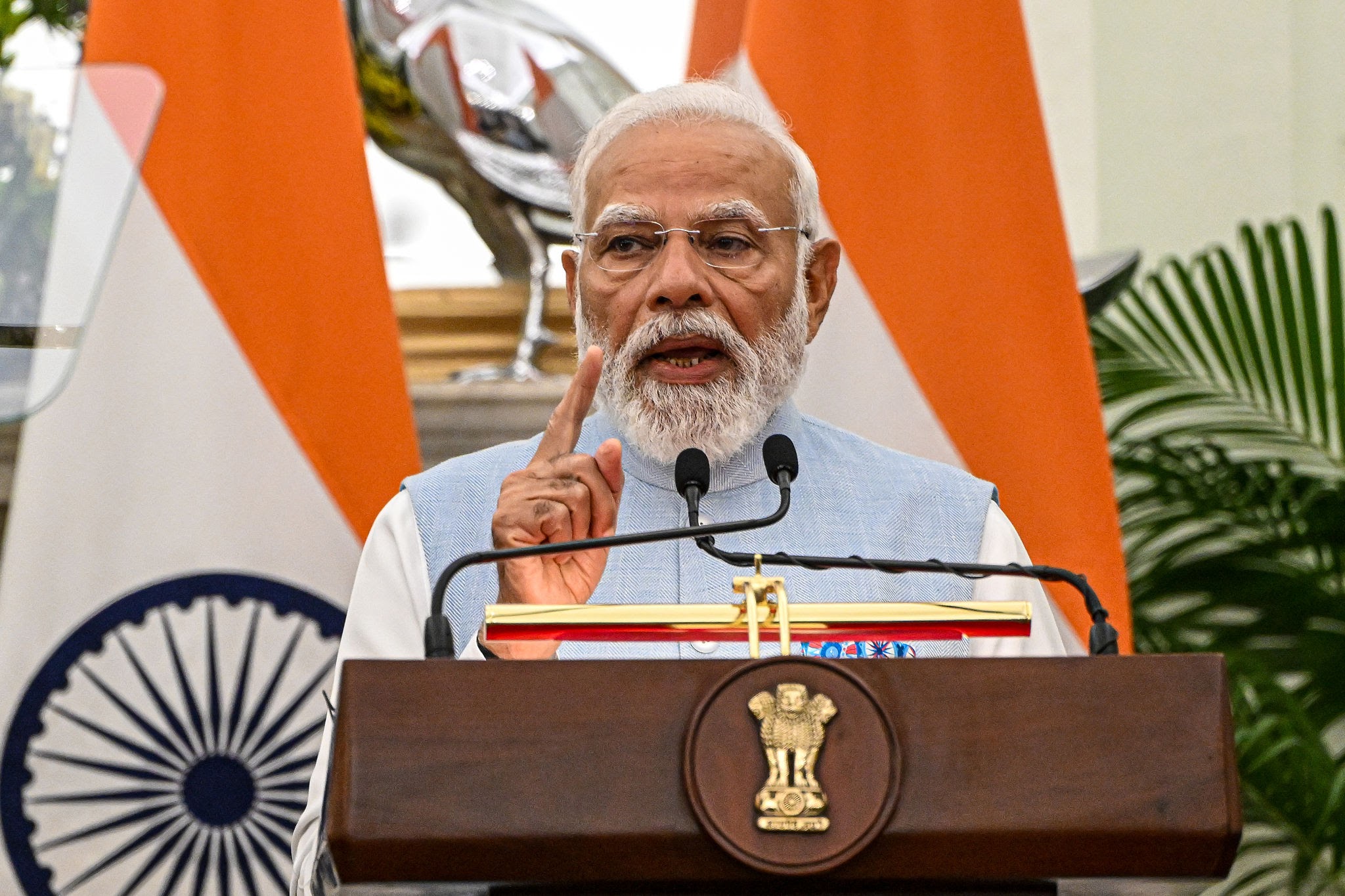

NEW DELHI — On June 10, 2026, the National Democratic Alliance (NDA) marked a watershed moment in the nation’s political history. Completing 12 years at the helm, the ruling alliance gathered at the Bharat Mandapam to celebrate Prime Minister Narendra Modi officially becoming India’s longest continuously serving elected Prime Minister, surpassing the uninterrupted 4,398-day record set by the country’s first Prime Minister, Jawaharlal Nehru.
While Nehru remains the longest-serving Prime Minister overall—counting his 1947–1952 stint as head of the interim, pre-election government—PM Modi’s 4,399 consecutive days in office represents the longest unbroken tenure won strictly through the ballot box since India’s first general election in 1952.
The Evolution of Leadership: Nehru vs. Modi
The milestone has naturally drawn comparisons between two vastly different eras of leadership. While both leaders successfully steered their parties to three consecutive democratic mandates, their visions for India reflect fundamentally different historical contexts.
+------------------+-----------------------------+-----------------------------+
| Feature          | Jawaharlal Nehru            | Narendra Modi               |
+------------------+-----------------------------+-----------------------------+
| Continuity Track | 4,398 Days (Elected)        | 4,399+ Days (Elected)       |
+------------------+-----------------------------+-----------------------------+
| Core Philosophy  | Socialist, State-Led Growth | Market-Driven, Digital First|
+------------------+-----------------------------+-----------------------------+
| Key Focus Areas  | Heavy Industry, Non-Alignment| Digital Public Goods, Global|
|                  |                             | South Leadership            |
+------------------+-----------------------------+-----------------------------+
A Resolution of Gratitude and Transformation
During the NDA conclave, a special resolution was moved by Andhra Pradesh Chief Minister N. Chandrababu Naidu and seconded by Nagaland Chief Minister Neiphiu Rio, formally thanking the Prime Minister for his transformational leadership.
The alliance leaders highlighted the massive structural and socio-economic shifts that have come to define the last 12 years:
- Poverty Alleviation: Moving nearly 250 million Indians out of multidimensional poverty through direct-benefit schemes and massive welfare delivery.
- Economic Resilience: Elevating India to the world’s fastest-growing major economy, maintaining an impressive $7.7\%$ GDP growth rate in the last fiscal year despite global economic headwinds.
- The Digital Boom: Building a globally recognized Digital Public Infrastructure (DPI) that has taken cross-border digital payments (like UPI) mainstream.
- Geopolitical Standing: Reimagining India’s foreign policy to establish the nation as a leading voice for the Global South, a climate champion, and a trusted economic superpower.
“Milestones do not just define an epoch of transformation. Prime Minister Modi will be remembered less for statistics and more for fundamentally reimagining India’s politics, resolving decades-old domestic issues, and pushing the ‘Reform Express’ into every Indian household.”
Looking Forward to ‘Viksit Bharat’
Addressing the gathering of 75 senior leaders representing 35 constituent parties, Prime Minister Modi emphasized that the milestone is a reflection of the trust of 1.4 billion people. He urged his cabinet and alliance partners to focus firmly on the future rather than dwelling on past laurels.
The focus of the NDA moving forward into the remainder of this third consecutive term remains locked onto the year 2047—with a collective resolve to transition India from a developing powerhouse into a fully developed nation (Viksit Bharat).
