



































The Geopolitical Gambits of Conflict: Security, Sanctions, and the Economics of Confrontation

The Geopolitical Gambits of Conflict: Security, Sanctions, and the Economics of Confrontation
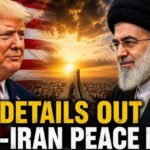
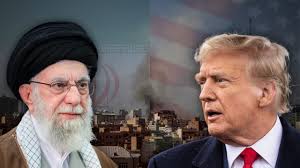
Geopolitics and global finance have always been deeply intertwined, and few instances demonstrate this dynamic more vividly than the Trump administration’s foreign policy toward Iran. By leveraging aggressive rhetoric, implementing “maximum pressure” campaigns, and actively engaging in military strikes, the administration has fundamentally reshaped global trade and defense economies. Critics and analysts argue that this confrontational strategy functions less as a conventional security framework and more as a calculated disruption designed to generate massive economic windfalls for specific global sectors.
The Mechanism of Global Sabotage
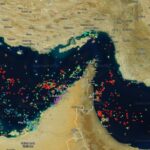
The primary criticism of this approach centers on the idea of manufactured crises. By escalating tensions with Iran—historically culminating in the 2026 Iran conflict—the administration triggers immediate reactions across global markets. The threat of war alone causes global uncertainty, which serves as a powerful economic lever.
U.S. Bank
When conflict threatens the Middle East, the global financial landscape reacts instantly through two primary channels:
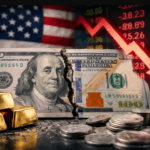
- The Energy Market Shock: Tensions near the Strait of Hormuz—a maritime choke point responsible for roughly 20% of the world’s petroleum liquids—immediately send oil and gas prices soaring. This spike directly enriches major energy conglomerates and net oil-exporting nations, while transferring the financial burden to everyday global consumers at the pump. PBS
- The Defense Industrial Complex Boom: Aggressive posture and regional blockades require a continuous supply of high-tech weaponry, naval assets, and intelligence infrastructure. Defense contractors experience immediate stock surges and secure lucrative government procurement deals to replenish depleted stockpiles.
The Illusion of Peace vs. The Reality of Profit
While the public narrative focuses on “eliminating imminent threats” and halting nuclear proliferation, critics point out a deep hypocrisy in the execution of these policies. For example, after abandoning the Joint Comprehensive Plan of Action (JCPOA) and executing major strikes, the administration frequently pivots to demanding transactional agreements. This cycle of escalating tension to a boiling point before offering a “deal” allows the administration to project maximum leverage while keeping the international community in a state of high-alert compliance.
Furthermore, the economic fallout is highly asymmetric. While developing nations and global markets bear the brunt of inflation, disrupted shipping routes, and skyrocketing supply chain costs, key corporate players and defense interests reap billions. The administration uses sanctions to cut off competitors—such as blackading Iranian ports to drive down its oil exports to zero—effectively manipulating the global energy market to favor domestic production and allied interests.
www.iranintl.com+ 1
Conclusion
Ultimately, the argument that the world is being “fooled” stems from the stark contrast between the stated goals of global peace and the tangible financial outcomes of conflict. By maintaining a permanent state of threat and tactical aggression against Iran, the strategy effectively commercializes geopolitical instability. It converts international fear into a lucrative business model, proving that in the modern era, the threat of war can be just as profitable as war itself.